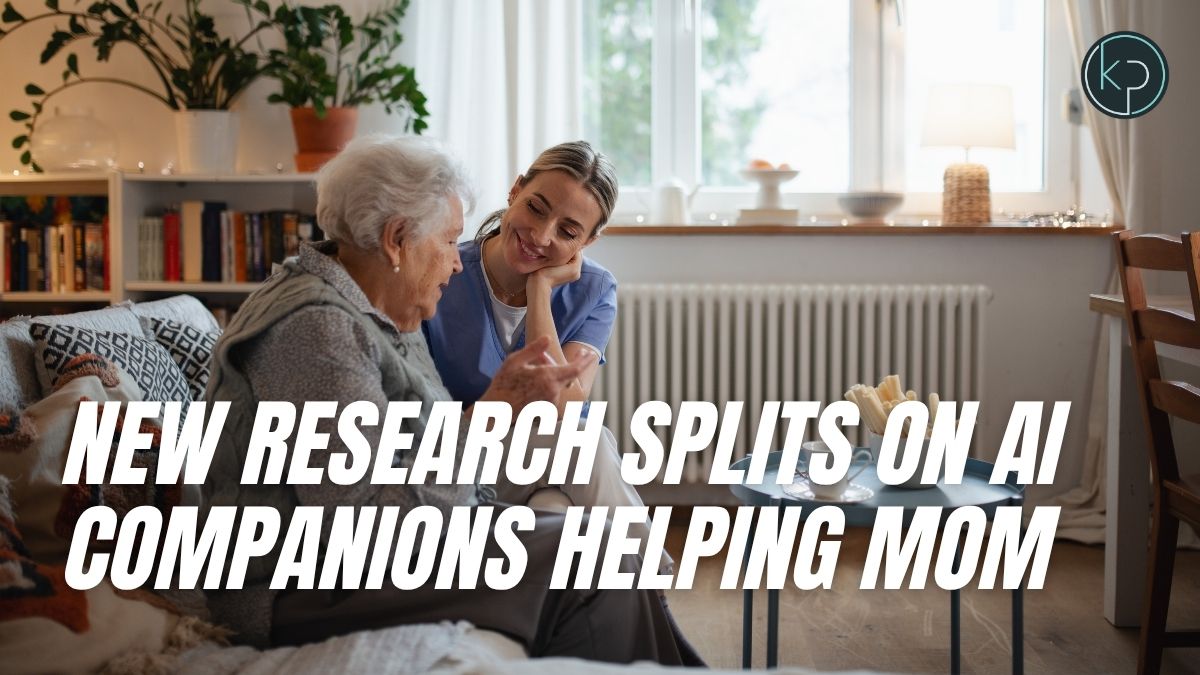
State-funded pilots of ElliQ report 94 to 97% of lonely seniors felt better using it. But a Nature Human Behaviour study published this week found intense AI companion use linked to worse well-being in people with small offline social networks. The difference seems to be whether it supplements human contact or replaces it.
Windows 10's free security patch bridge ends October 13, 2026. Scammers are exploiting the deadline with fake upgrade emails and "Phantom Hacker" relay calls impersonating tech support, banks, and investigators. Seniors lost roughly $4.9 billion to fraud in 2024. One rule stops most of it: never call a number a warning gives you.
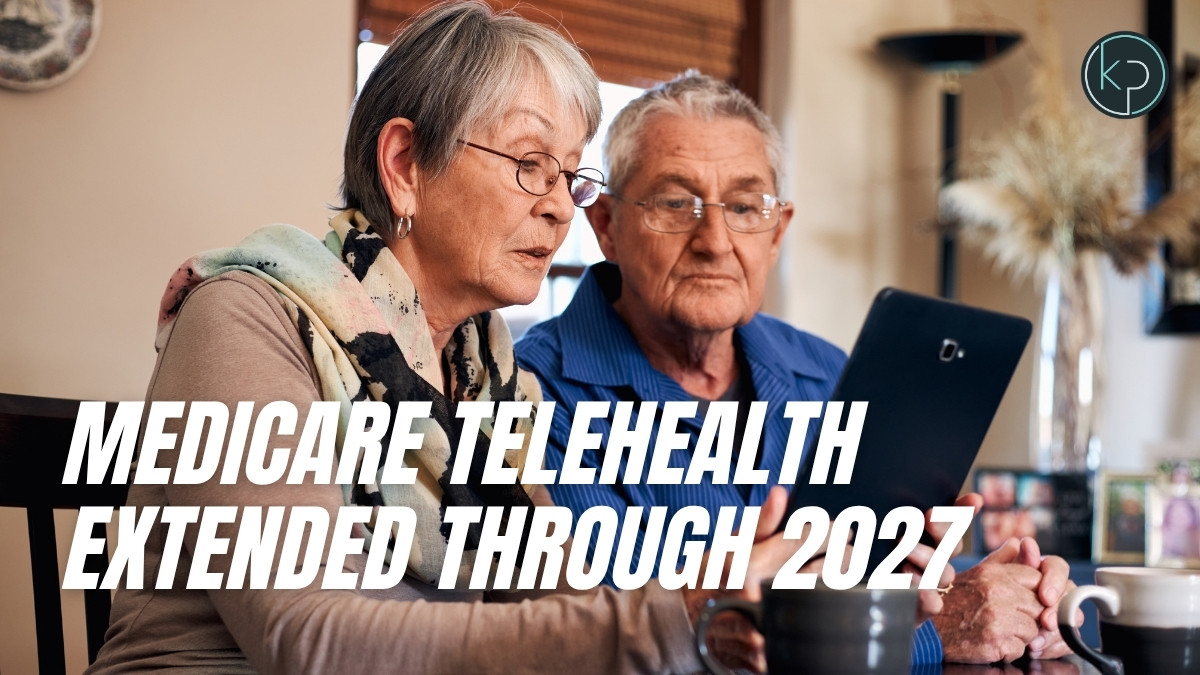
Medicare's telehealth coverage for older adults is extended through December 2027, and audio-only phone visits still count toward it. Here's what changed, why this extension matters more than past ones, and how to set up telehealth for an aging parent before you actually need it.
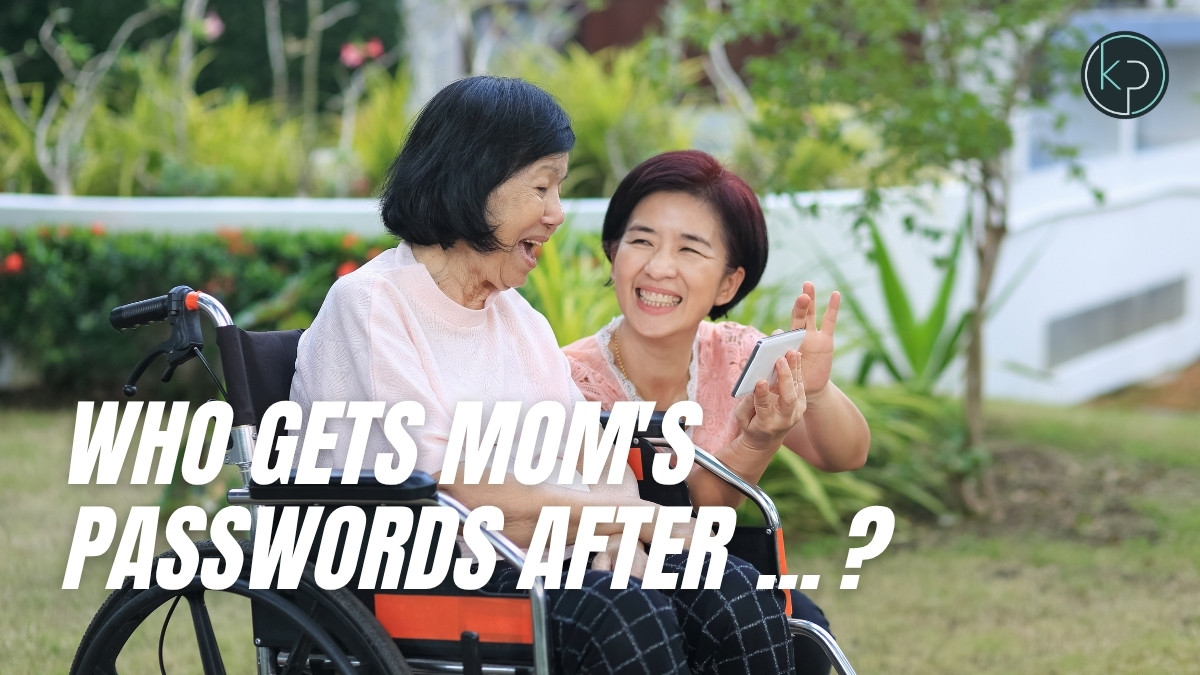
Password managers are quietly solving digital inheritance faster than the law. Here's how emergency access works in 1Password, Proton Pass, and NordPass, and what to set up for an aging parent this week.

A scam call cites the real new $2,100 Medicare Part D out-of-pocket cap, then asks for your bank routing number to send a fake refund. The cap is real and applies automatically — the call is not. Here's how the scam works and the one rule to give parents this week.
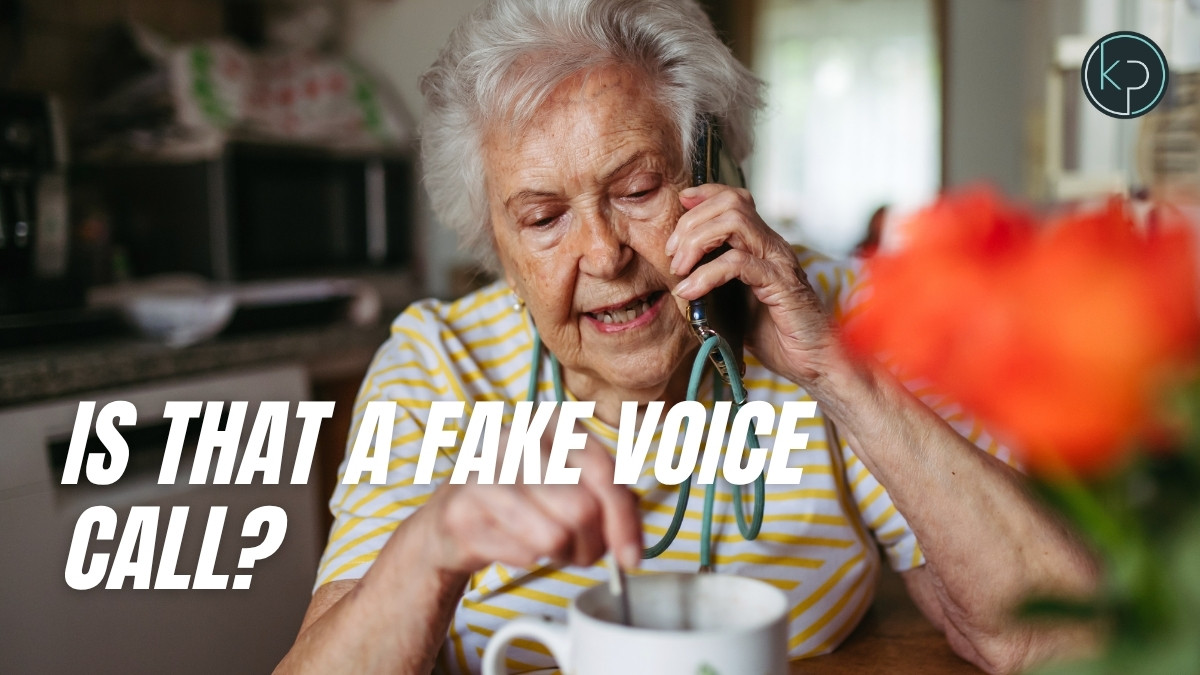
AI can clone a loved one's voice from seconds of audio. The Senate heard testimony this week from a mother who wired $5,400 to a fake kidnapper. A family code word is the real defense — here's how to set one up today.

A caller asks, "Can you hear me?", to record you saying yes, then either hangs up or hands you to a live scammer posing as your bank. It's hitting Florida retirees hardest right now. The recording itself rarely does the damage — the conversation that follows it does. Just hang up on the yes-or-no question.