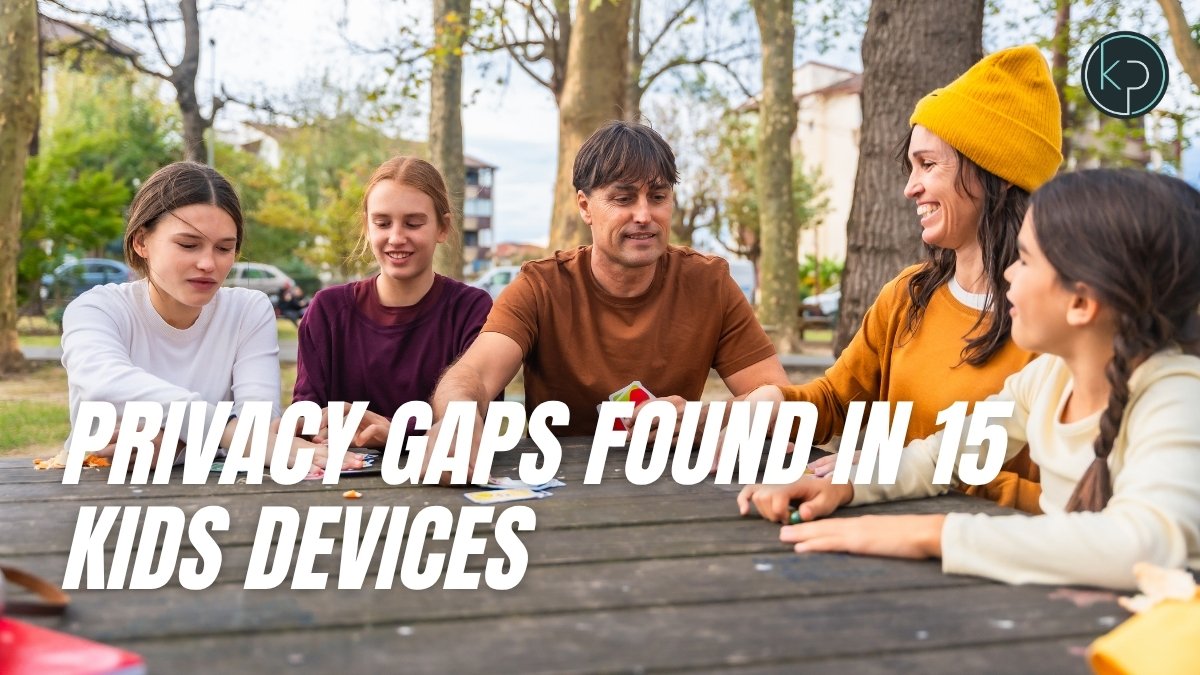
Consumer Reports tested 15 GPS trackers and kids' smartwatches in 2026, finding real gaps in privacy policies and default settings. The Apple Watch SE 3 and Garmin Bounce scored well, but "made for kids" branding doesn't guarantee better data protection. COPPA sets a legal floor, not a product guarantee.
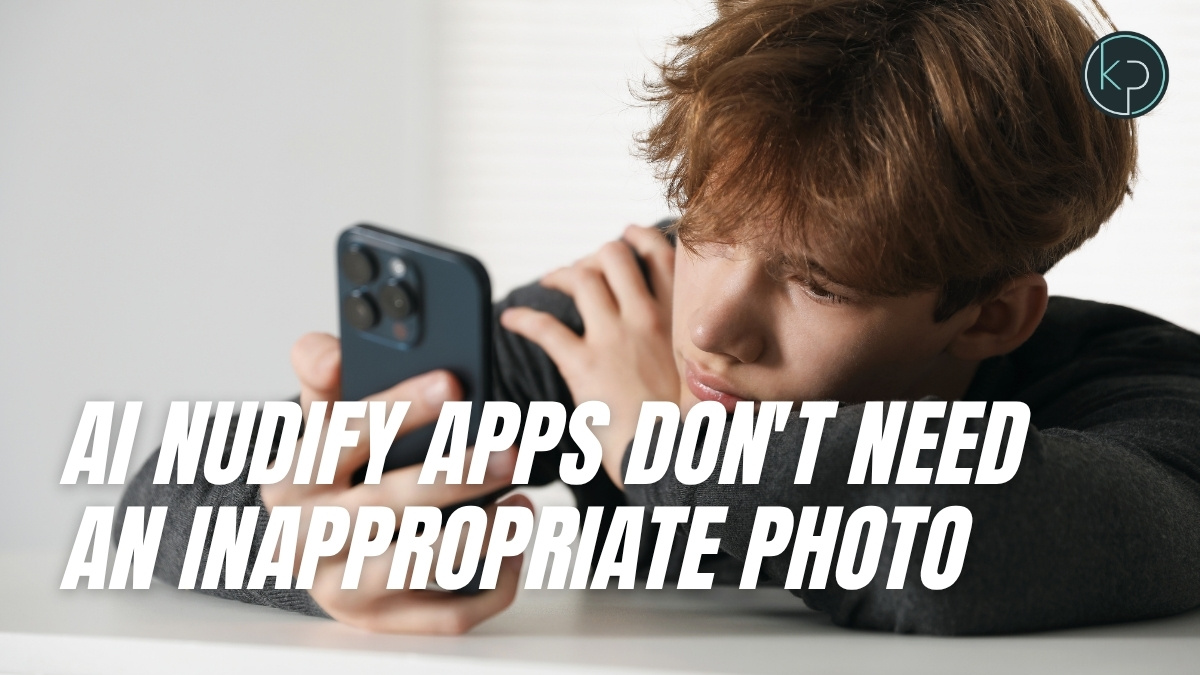
AI nudify apps can generate fake sexualized images from any ordinary photo of a child, no inappropriate photo required. 16% of US teens know someone targeted. Apple, Google, and Meta bans exist on paper but aren't reliably enforced. Minnesota just passed the first state ban on the apps themselves.
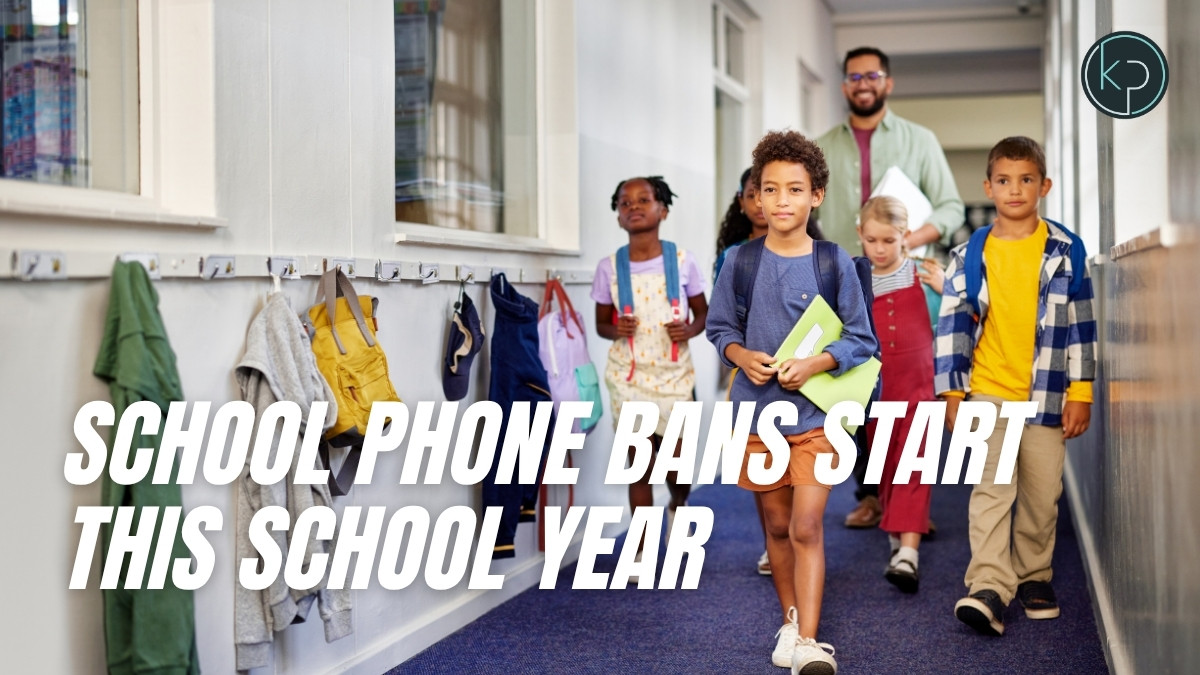
New bell-to-bell cell phone bans hit public schools in Illinois, Michigan, and Indiana starting the 2026-2027 school year, part of a 35-state wave. Here's what each law requires, why the smartwatch workaround has real security risks, and what to confirm with your kid's school this week.
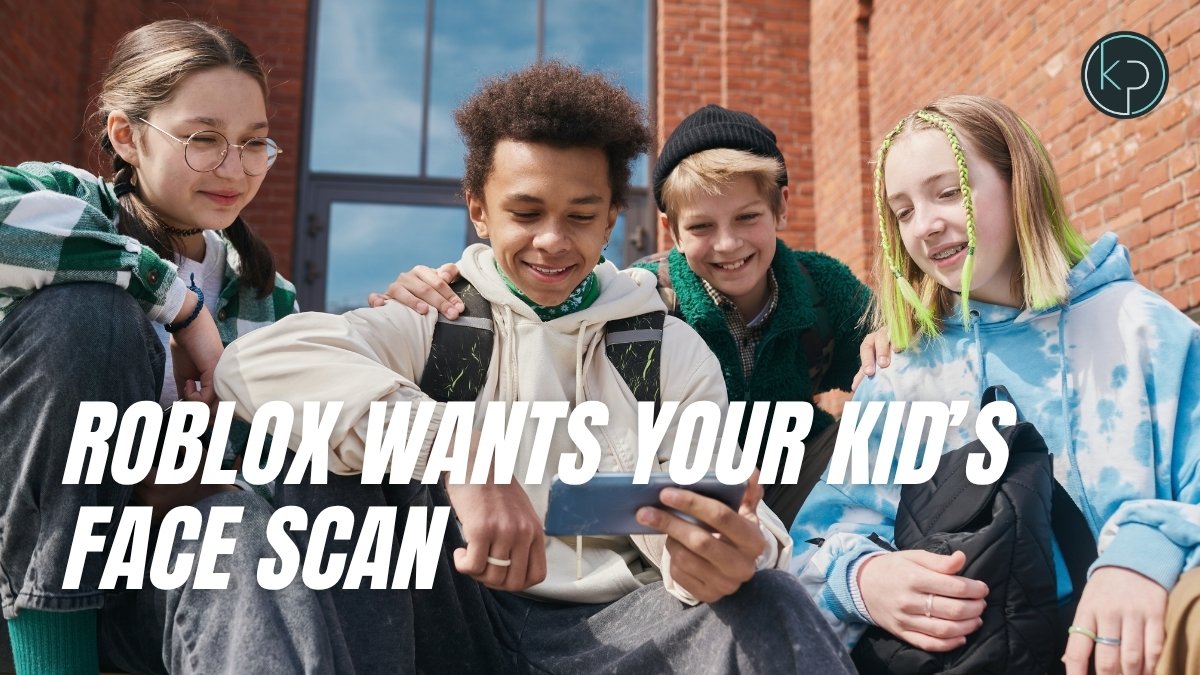
Roblox's AI age check now scans your kid's face to sort them into an age tier and decide who they can chat with unfiltered. Here's how it works, what it gets wrong, and what to set up before school starts.
A British Journal of Ophthalmology study of over 5 million children across 50 countries found roughly one in three kids now has myopia, driven largely by close-range screen use. Rates hit 86% in Japan and 74% in South Korea, versus far lower rates in Africa where schooling starts later.
Congress votes August 5 on the CHATBOT Act, which would force ChatGPT, Character.AI, and Meta AI to give parents a real window into what their kids are telling them. Here's what's in the bill and why kp isn't waiting on it.
iOS 27 ships with Ask to Browse (kids need approval to visit new sites) and Contact Approval (kids need approval for new contacts). I'm turning on Contact Approval and skipping Ask to Browse — here's why, and what to check in your settings now.
Meta is bringing Family Center supervision to Threads this week — time limits, sleep mode, tagging controls. The catch: teens must opt in and can disable it whenever they want, no lock involved.
OpenAI expanded ChatGPT's parental controls in July 2026: parents linked to a teen's account get notified for possible self-harm risk or a violence-related suspension, and can now set Study Mode as the default plus more frequent break reminders. Linking the account is the part most people skip.