Not a pitch — the real, most recent Articles on this site. This week's newsletter would curate from exactly this.
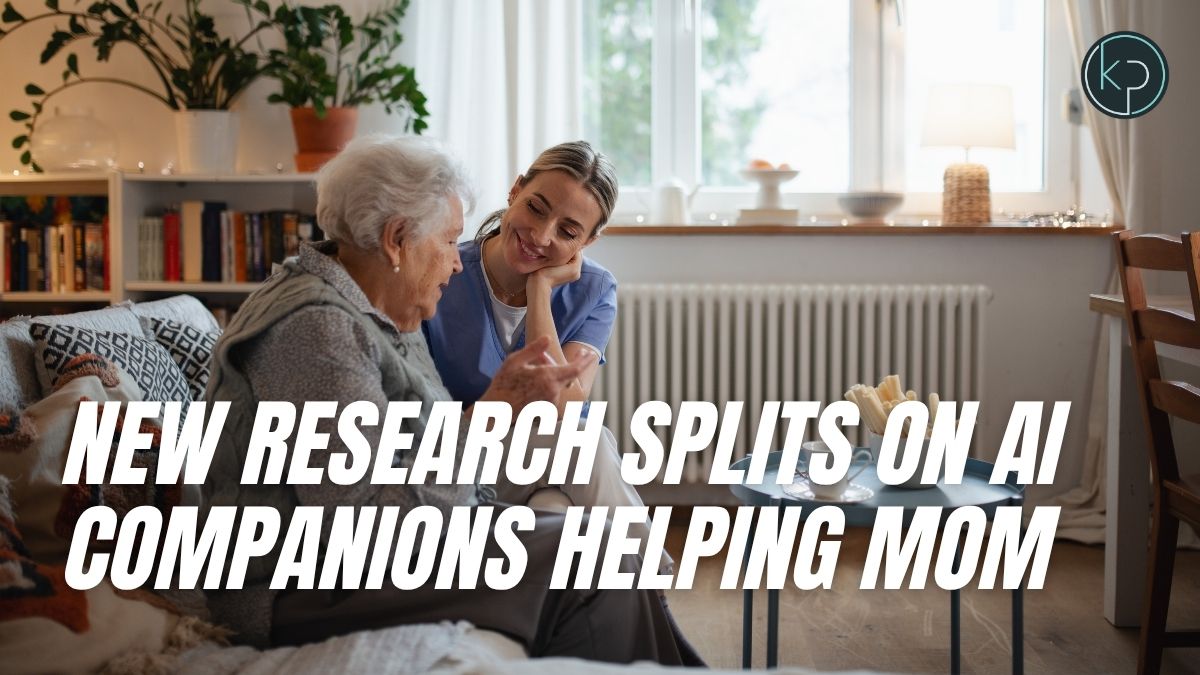
State-funded pilots of ElliQ report 94 to 97% of lonely seniors felt better using it. But a Nature Human Behaviour study published this week found intense AI companion use linked to worse well-being in people with small offline social networks. The difference seems to be whether it supplements human contact or replaces it.
Consumer Reports tested 15 GPS trackers and kids' smartwatches in 2026, finding real gaps in privacy policies and default settings. The Apple Watch SE 3 and Garmin Bounce scored well, but "made for kids" branding doesn't guarantee better data protection. COPPA sets a legal floor, not a product guarantee.
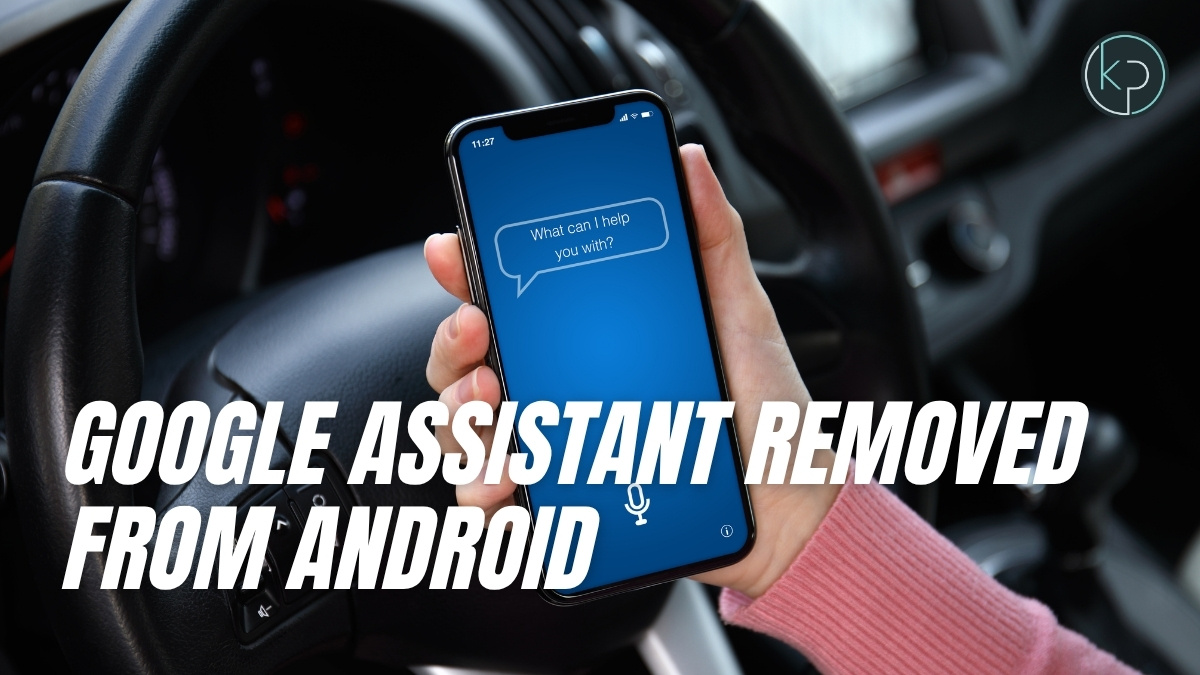
Google is removing Google Assistant from Android phones, watches, earbuds, and Android Auto starting September 4, 2026, with no opt-out and no way back. Gemini takes over, but Interpreter Mode and some routines don't transfer, and the more private data setting quietly disables Maps, Home, and Workspace integrations.
Most Google searches now end without a click, and that rate climbs further when an AI Overview appears. The overlap between top-10 rankings and AI Overview citations has collapsed, meaning steady rankings can still mean falling traffic. The fix isn't abandoning SEO, it's writing pages that answer the core question in the first two sentences.

Windows 10's free security patch bridge ends October 13, 2026. Scammers are exploiting the deadline with fake upgrade emails and "Phantom Hacker" relay calls impersonating tech support, banks, and investigators. Seniors lost roughly $4.9 billion to fraud in 2024. One rule stops most of it: never call a number a warning gives you.
AI nudify apps can generate fake sexualized images from any ordinary photo of a child, no inappropriate photo required. 16% of US teens know someone targeted. Apple, Google, and Meta bans exist on paper but aren't reliably enforced. Minnesota just passed the first state ban on the apps themselves.